
Rahul Guleria
SEO Executive
Creative,
Branding
& Growth
in the Global
Digital Ecosystem
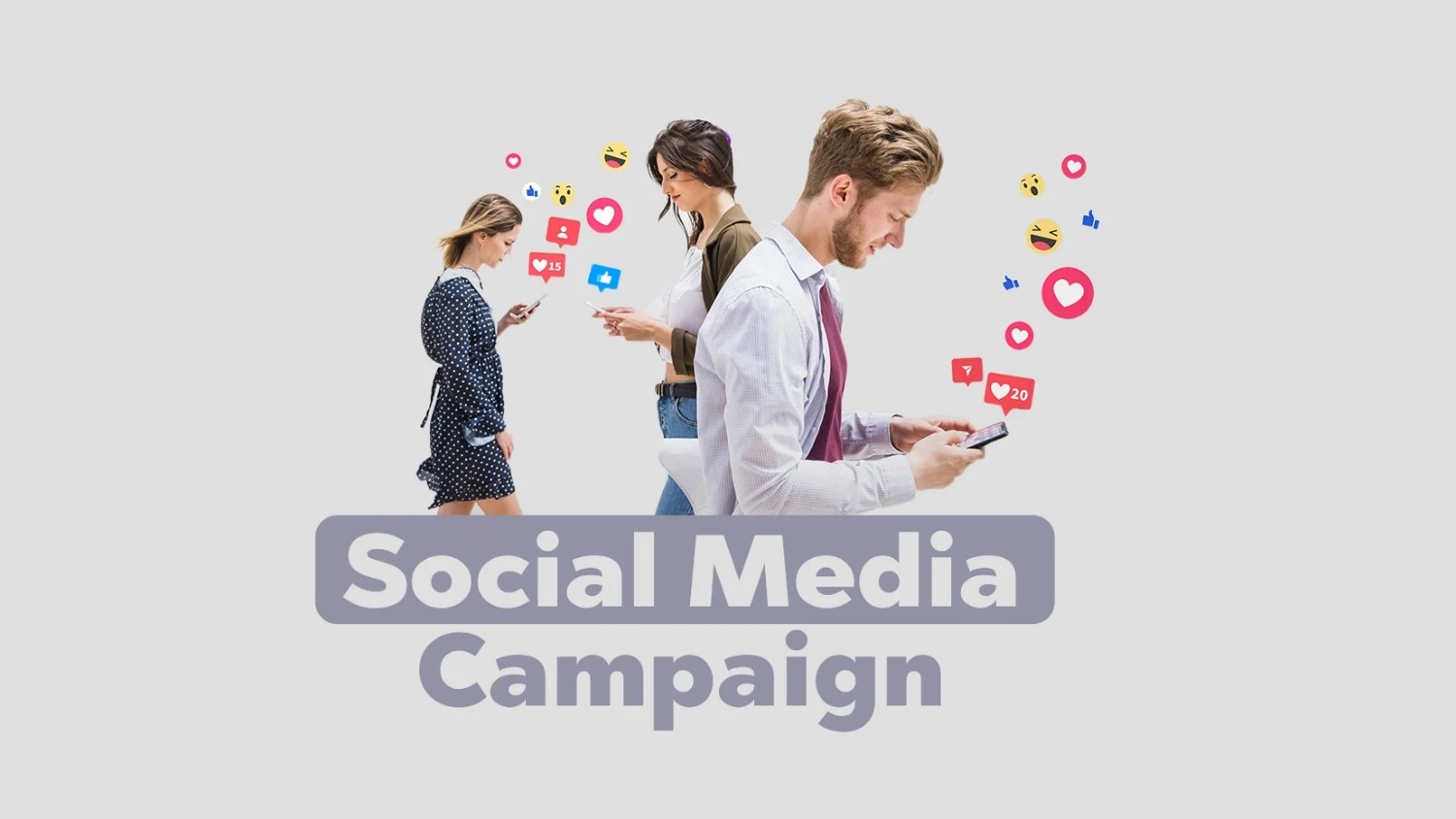
You’re not just posting for the sake of posting. You’re building momentum, sparking conversations, and nudging people toward action. That’s the heart of an engaging social media campaign. In this guide, you’ll learn how to plan, create, launch, and optimize a campaign that people actually care about—and remember.
Throughout, we’ll weave in practical frameworks, examples, and battle-tested tips. Want deeper help with planning or execution? Explore our service page for social media marketing and see how we build campaigns end-to-end. If you’re new to the basics, you can also read What is social media marketing?
A social media campaign is a coordinated series of posts, formats, and tactics designed to achieve a specific goal within a fixed time frame. It runs with a clear theme, a consistent message, and planned creative variations that build on each other.
Purpose? Simple. Drive one or more of these outcomes:
How is it different from regular posting?Ad-hoc posts keep your feed warm. A campaign turns your feed into a story arc. It starts with a hook, builds interest, prompts action, and ends with a measurable result. Think of regular posting as keeping the lights on. A campaign throws the spotlight where it matters.
Example (short and sweet):Spotify Wrapped turns users’ listening data into shareable visuals every December. It wins because it’s personal, social, and fun. People become the marketers.
Engagement is every action a user takes on your content: likes, comments, shares, saves, replies, clicks, and video completions. Each action signals interest and intent.
Why it matters:
Bottom line. If your campaign doesn’t move people to interact, it won’t scale reach or results.
.webp)
Successful campaigns don’t arrive by accident. Use this five-step blueprint.
Pick one primary objective. Do you want brand awareness, email signups, webinar registrations, or sales? One goal focuses your message and your measurement.
Who needs to see this? What keeps them up at night? Where do they hang out online, and when? Build an audience snapshot with demographics, psychographics, pains, and triggers.
Don’t post everywhere by default. Select the platform where your audience already engages and where the format suits your message. You’ll find a quick comparison later in this guide.
Turn your campaign idea into a content system:
Plan a publishing calendar. Automate where it helps. Track the right metrics daily and pivot fast. Campaigns that learn the quickest usually win.
Vague goals lead to vague results. Use SMART goals:
Key metrics to monitor:
Map metrics to your funnel. Awareness loves impressions and video completions. Consideration prefers CTR and saves. Conversion cares about leads or sales.
You can’t create engaging campaigns if you don’t know who you’re trying to engage.
Start with platform insights:
Turn data into personas:
Tone and messaging alignment:Match the voice to the audience’s context. Founders resonate with crisp, outcome-focused copy. Gen Z prefers humor, cuts, and trend-aware references. Enterprise buyers value proof and clarity. Use their vocabulary, not yours.
If you want a persona built from real data and competitive insights, our team can help. Check out our social media marketing service to see how we approach strategy and creative at once.
Different platforms favour different goals, audiences, and creative styles. Here’s a quick comparison you can use to prioritize.
Platform | Best For | Audience Vibe | Winning Formats | Strengths | Watch-outs |
|---|---|---|---|---|---|
Lifestyle brands, DTC, creators, local businesses | Visual-first, community-minded | Reels, Stories, Carousels, Collabs | Visual discovery, shopping features, | Competitive, pay-to-play for reach | |
B2B demand, recruiting, | Professional, career-oriented | Long-form posts | Organic reach for experts | Requires consistent POV | |
Local businesses, communities, events, broad reach across age groups | Family/friends networks, groups, community-drive | Video (short + long), Lives, Groups, Events, Reels | Massive reach, robust Groups, versatile ad targeting, event tools | Organic Page reach can be low, creative fatigue if over-posting | |
X (Twitter) | Newsjacking, product updates, community support | Real-time, conversational | Threads, replies, polls, live audio | Speed, direct dialogue, niche communities | Volatile algorithms, attention moves quickly |
Content makes or breaks your campaign. Use these levers.
Short-form video drives attention and reach. Keep clips punchy. Front-load value within the first 2–3 seconds. Use captions. Add pattern interrupts every 3–5 seconds—cuts, zooms, b-roll, text overlays.
Don’t spam. Mix:
People remember what they feel. Use proven storytelling arcs:
Invite customers to share experiences with your product or service. Repost with credit. UGC adds authenticity and scales content variety.
Trends can add lift if they fit your brand voice. If a trend doesn’t serve your message or audience, skip it. Relevance beats novelty.
AI won’t replace creativity. It supercharges it. Use AI as your creative co-pilot across the campaign lifecycle.
1. Where AI shines:
2. Helpful tools to explore:
Blend AI with your team’s taste and strategy. You’ll create more options faster, test smarter hypotheses, and learn what lands.
A solid system keeps your campaign humming.
Scheduling tools to consider: Buffer, Hootsuite, and Later. Use them to plan your calendar, coordinate approvals, and queue content across platforms.
Best posting times by platform (general guidance):
Every audience behaves differently. Start with these windows, then optimize based on your data.
How to track engagement and conversions:
If you’d like us to set up the whole monitoring stack with reporting and sprints, see social media marketing and get a campaign plan tailored to your goals.
Share a Coke: Coca-Cola replaced its logo with people’s names and invited users to find and share bottles. Personalization plus social proof created an avalanche of UGC. Friends tagged friends. People hunted for names. The product became a social object.
Spotify Wrapped: Wrapped packaged personal listening data into a slick, shareable story. It made users feel seen and proud of their tastes. It also advertised Spotify without a single “buy now.” The magic combo: emotional connection + personalization + built-in shareability.
Takeaway for your campaign. If you can personalize the experience or turn participation into a flex, engagement follows.
Use this as a template you can adapt in any niche.
Goal: 800 ebook downloads in 30 days Audience: Marketing managers at SaaS companies, North America & India Primary Platform: LinkedIn Secondary Platform: Instagram
Content System
Measurement
Want this run for you with creative, scheduling, ads, and analytics tied together? Our social media marketing team can own the heavy lifting.
The formula for an engaging social media campaign isn’t a secret. You need a clear goal, a specific audience, platform-native creative, and relentless iteration. You stack social media engagement by making content that people want to react to, not scroll past. You boost results when you mix creativity with a sharp social media marketing strategy and smart AI tools for social media.
Start small if you need to. Ship a tight two-week campaign. Learn fast. Then scale the winners. When you’re ready for a custom plan and execution that ties to revenue, talk to us about social media marketing or brush up on the fundamentals with What is social media marketing?
Soft CTA: Start your next campaign with data-driven creativity and watch your engagement climb.
A social media campaign is a planned series of posts and interactions built around a single goal, theme, and time frame. It uses coordinated content and calls to action to drive measurable outcomes like awareness, leads, or sales.
Pick one goal, define your audience, choose the platform that fits, create a content system with strong hooks and proof, schedule consistently, and measure daily. Use AI to brainstorm, script, and repurpose. Iterate each week based on what the data shows.
Engagement signals relevance to platform algorithms, which increases reach. It builds social proof and trust. It also gives you the insight you need to refine content and improve results.
It depends on your audience and goal. Instagram and Facebook shine for visual storytelling and consumer brands. LinkedIn crushes B2B and recruiting. X (Twitter) excels at real-time conversation and product updates. Focus on one primary platform and repurpose to a secondary.
AI accelerates ideation, helps predict top-performing formats, optimizes posting times, and powers quick replies through chatbots. Tools like ChatGPT, Jasper, Canva AI, and Lately.ai reduce the time from concept to publish and increase the number of quality tests you can run.
Tie KPIs to your goal. Track engagement rate, impressions, CTR, video completion, saves, shares, and conversions. Use UTMs and a simple dashboard to see which posts and formats drive your core outcome.
Enough to maintain momentum without fatiguing your audience. As a rule of thumb, 3–5 posts per week on your primary platform keeps campaigns moving. Supplement with stories, quick replies, and community engagement in between.
Short-form videos with strong hooks, carousels that teach something useful, stories with interactive stickers, proof-based posts (UGC, testimonials, mini case studies), and clear CTAs. Content that solves a problem or entertains usually wins.
Inconsistent branding, unclear goals, weak hooks, ignoring comments, not testing variants, and relying only on one channel. Blend organic with paid amplification. Keep your message focused and your CTA singular.