
Rahul Guleria
SEO Executive
Creative,
Branding
& Growth
in the Global
Digital Ecosystem
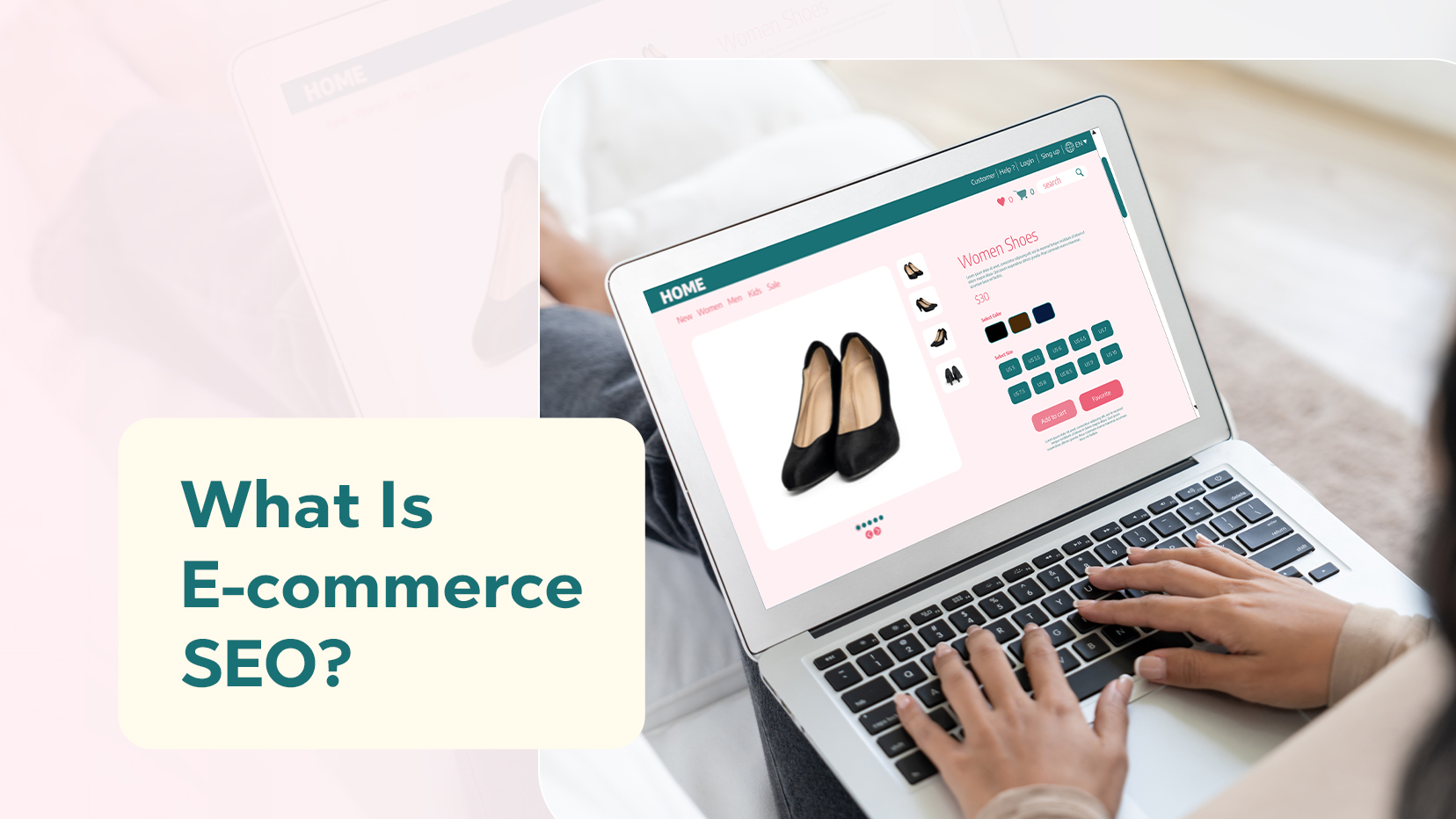
E-commerce SEO is the process of optimising your online store so your product and category pages rank higher on search engines. It focuses on product keywords, page structure, images, site speed, UX, and technical health. Done well, E-commerce SEO brings qualified traffic, boosts conversions, and drives consistent sales without relying only on paid ads.
E-commerce SEO means making your online store easy to find on Google and other search engines when people look for products you sell.
Instead of only running ads, you optimise:
● Product titles and descriptions
● Category pages
● Navigation and internal links
● Images and media
● Site speed and mobile experience
● Technical foundations like crawling, indexing, and structured data
The goal is simple. Attract high-intent visitors who are actively comparing options or ready to buy so your organic traffic turns into revenue, not just vanity sessions.
If you are completely new to SEO, it helps to start with the basics. Check out What Is SEO & Why It Matters for Businesses for a quick foundation, then come back to this guide with more context.
In 2026 your customers have endless choice. They compare prices, specs, and reviews in seconds. If your products do not appear when they search, your brand simply does not exist in that moment.
Here is why a strong E-commerce SEO strategy is non-negotiable.
Research shows a large chunk of shoppers begin their buying journey on search engines, then move to marketplaces or brand sites. One recent report found that around 44% of shoppers start their shopping journey on a search engine before going to marketplaces like Amazon or specific stores.
If your store does not show up in those early searches you lose visibility long before price or product quality even enters the conversation.
When your product and category pages rank for “buy” and comparison keywords:
● You capture people with strong intent
● You reduce dependency on paid ads
● You reach customers at multiple stages of the funnel
SEO does not just give you traffic. It gives you the right traffic.
Paid campaigns are powerful, but they get expensive fast. Every click costs money. The moment you pause the campaign,s your traffic disappears.
Organic traffic from E-commerce SEO keeps coming while you sleep. Once you invest in content, technical improvements, and authority, each additional sale becomes cheaper because you are not paying for every single visit.
Ranking high for competitive queries sends a subconscious signal.
If Google trusts your site enough to show it on page one, buyers are more likely to trust your products. Combined with strong reviews and helpful content, SEO becomes a reputation engine, not just a traffic channel.
Think of this E-commerce SEO guide as a roadmap. Here is the simplified flow of how to build and maintain an effective strategy.
.webp)
Start with how real people search.
● List your top categories and flagship products
● Use tools like Google Keyword Planner, Ahrefs, or SEMrush
● Map keywords to intent:
○ “Buy wireless earbuds online” → transactional
○ “Best wireless earbuds under ₹2000” → commercial research
○ “How to choose wireless earbuds” → informational
Assign a primary keyword and 2–4 secondary keywords to every important page.
For each product page:
● Include the primary keyword naturally in:
○ Title tag
○ H1
○ First 100 words of description
● Add key attributes in the title (brand, model, size, colour)
● Write unique descriptions that answer real buyer questions
● Add high-quality images with descriptive file names and alt text
Example product title: “Noise-Cancelling Wireless Earbuds with Mic – Bluetooth 5.3, 30-Hour Battery”
Your internal links help both users and search engines discover more products.
● Use clear, logical category structures
● Link from category pages to top-selling products
● Add “related products” and “customers also bought” sections
● Use breadcrumb navigation to show hierarchy
This improves “findability” which is crucial for e-commerce. If users cannot find a product, they cannot buy it.
Technical SEO is the engine under the bonnet.
Focus on:
● Fast page load times
● Mobile-first experience
● Correct indexation of important pages
● No broken links or endless redirect chains
● XML sitemap and clean robots.txt
● Canonical tags to avoid duplicates
These are non-negotiable for modern E-commerce SEO.
Products alone are not enough today.
Create:
● Buying guides for complex categories
● Comparison pages (“X vs Y”, “Best laptops under ₹50,000”)
● Blog articles that answer pre-purchase questions
● FAQs that solve friction points
This content helps you rank for broader queries and supports Answer Engine Optimisation (AEO), which is increasingly important as Google and AI tools show more direct answers in search.
Backlinks from relevant websites act as votes of confidence.
● Get featured in niche blogs and media
● Collaborate with creators and influencers
● Publish link-worthy research, tools, or guides
● Earn mentions from partners, vendors, and communities
The stronger your domain authority gets, the easier it becomes to rank new product pages.
To make all of this easier, let’s break the E-commerce SEO ecosystem into components.
● Focus on core product terms + modifiers:
○ “cheap”, “under X”, “best”, “waterproof”, “for women”, “for gaming”
● Group keywords by category, brand, and use case
● Avoid targeting the same primary keyword with multiple pages
Each important page should have:
● Compelling, keyword-rich title tag
● Descriptive meta description that encourages clicks
● Clean headings (H1, H2, H3)
● Easy-to-scan bullet points
● Clear CTAs (Add to Cart, Buy Now, Check Availability)
Core technical priorities for e-commerce:
● Mobile responsiveness
● HTTPS everywhere
● Core Web Vitals (LCP, CLS, INP) in a healthy range
● Canonical tags for variants
● Paginated category handling
● Proper handling of 404 and 301 redirects
Images are the heart of online shopping.
● Use descriptive filenames: nike-running-shoes-blue-men-uk9.jpg
● Add alt text like: “Men’s blue Nike running shoes size UK 9”
● Compress images for faster loading without losing quality
● Implement next-gen formats like WebP if your platform supports it
Structured data (schema markup) gives search engines explicit details about your products:
● Price
● Availability
● Rating
● Review count
● Brand
Product schema can unlock rich results like star ratings, price ranges, and availability labels in search which directly impacts CTR and conversions.
Smart internal linking:
● Shares authority from high-traffic pages to product pages
● Helps users discover complementary products
● Reduces bounce rate and increases time on site
Think like a salesperson who gently guides a shopper to the right shelf, comparison, or add-on.
Good UX removes friction.
● Simple checkout with minimal steps
● Clear shipping, return, and warranty information
● Trust badges and secure payment logos
● Logical product filters that do not create duplicate SEO nightmares
Content marketing feeds your E-commerce SEO strategy.
Examples:
● “How-to” guides using your products
● Trend reports in your niche
● Seasonal gift guides
● Buying guides for beginners
This content attracts top- and mid-funnel visitors who later convert through remarketing, email nurture, or direct visits.
Backlinks are harder to earn for pure product pages, so use content as a magnet.
● Guest posts with genuine value
● Digital PR campaigns
● Research reports
● Collaborations with bloggers or creators
When you stitch all these elements together, the payoff is huge.
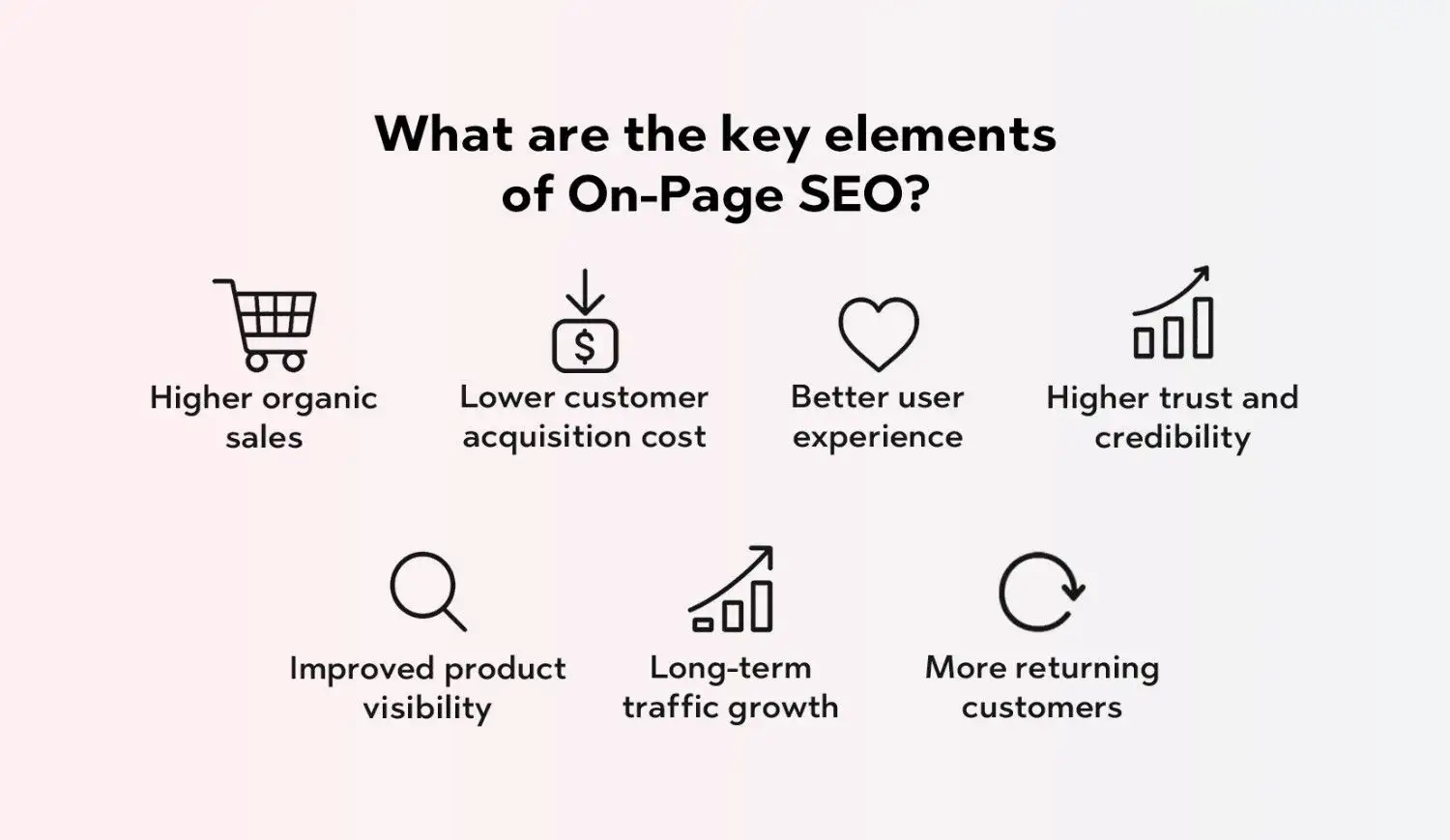
Consistent rankings for transactional and commercial keywords drive more buyers to your store every month.
You invest in SEO assets once then benefit for months or years while paid ads need constant budget.
SEO helps your products:
● Show up for long-tail searches
● Compete against marketplaces
● Appear in both classic blue links and AI-driven summaries
Technical SEO and UX improvements make the site faster and easier to use for everyone, not just search bots.
Reviews, structured data, and strong content all combine to signal that your brand is established and reliable.
Helpful content, smooth navigation, and search visibility keep customers coming back for repeat purchases.
E-commerce SEO compounds. As your site gains authority and depth, each new product or category page becomes easier to rank.
Let’s make it concrete. Here is how E-commerce SEO plays out in real-world scenarios.
● Target keywords like “buy running shoes online” or “order office chair with lumbar support”
● Optimise product titles, descriptions, and schema
● Use FAQs on product pages to answer pre-purchase objections
These are the queries that drive direct revenue.
Category pages can target:
● “gaming laptops under 60000”
● “organic skincare products in India”
Make sure your category pages have:
● Introduction content above the product grid
● Filters for brand, price, size, use case
● Internal links to top collections or “best sellers”
Examples:
● “How to choose the right mattress size for your room”
● “Beginner’s guide to mirrorless cameras”
These articles educate buyers before they are ready to click “add to cart”. Later you can retarget them or guide them to comparison and product pages.
Comparison pages are powerful:
● “iPhone 16 vs iPhone 15: Which should you buy in 2026?”
● “Best running shoes for flat feet in 2026”
They:
● Answer real buying questions
● Reduce decision anxiety
● Help you rank for “best” and “vs” keywords
Add FAQs to key pages that answer:
● Shipping times
● Return policy
● Product care
● Sizing and compatibility
Use FAQ schema so Google and AI search tools can surface these answers directly which boosts visibility even in answer-heavy results.
If you have offline stores as well as an online shop:
● Optimise Google Business Profile
● Create store location pages
● Add local pickup and inventory details where possible
Local SEO sends buyers both to your product pages and to your physical doors.
E-commerce SEO is powerful but it is not plug-and-play. Expect to face some friction.
Common causes:
● Manufacturer descriptions copied across many sites
● Colour or size variants with near-identical content
● URL parameters creating duplicate pages
Solutions:
● Write unique descriptions for key products
● Use canonical tags for variants
● Consolidate thin duplicate pages where possible
Heavy images, third-party scripts, and bloated themes can slow your store.
Slow sites hurt both rankings and conversion rates. Users bounce fast if pages feel sluggish on mobile.
When you have thousands of SKUs you cannot manually perfect every page.
You need:
● Templates that generate SEO-friendly titles and meta at scale
● Rules for canonical tags
● Priority lists so your team optimises high-value products first
Poor images reduce conversions even when you rank well.
Invest in:
● High-resolution photos
● Multiple angles
● Lifestyle images
● Zoom and 360° views where relevant
Amazon and other giants dominate many queries. Yet search behaviour is shifting again as Google gains ground among younger shoppers and AI-driven results change the landscape.
You will not outrank marketplaces for every generic keyword, although you can win with niche, long-tail, and brand-driven searches plus strong user experience.
With thousands of URLs it is easy for important pages to remain unindexed while thin pages get crawled again and again.
Use Google Search Console to:
● Monitor index coverage
● Submit sitemaps
● Identify crawl anomalies
Here is your practical checklist of best practices.
Avoid pasting manufacturer content. Instead:
● Highlight benefits, not just features
● Answer common questions from support or sales
● Use natural language buyers would use
● Add clear calls to action
● Compress images before upload
● Use responsive image sizes
● Implement lazy loading where possible
This keeps your site sharp and speedy.
Good: /men-running-shoes/nike-revolution-6
Avoid:
● Random IDs like /product?id=827362
● Overly nested structures like /shop/category/men/shoes/running/nike/revolution-6
Use tools or plugins to generate product schema for:
● Price
● Currency
● In-stock status
● Ratings and reviews
Rich snippets give you more screen space and higher click-through rates.
● Clean up unused apps or plugins
● Host on reliable infrastructure
● Use CDN for static assets
● Optimise JavaScript and CSS delivery
A fast site helps both SEO and conversion.
Reviews:
● Boost conversions
● Generate long-tail content with natural language
● Feed into product schema for star ratings
Encourage reviews by:
● Sending post-purchase emails
● Offering small loyalty rewards
● Making review submission frictionless
Place smart internal links in:
● Blogs → categories and products
● Category pages → top sellers and collections
● Product pages → complementary items
Remember, if someone cannot find the right product in a few clicks they will leave.
Filters like size, colour, brand, and price create thousands of URL combinations.
Badly handled facets cause:
● Massive duplicate content
● Crawl waste
● Index bloat
Work with your dev and SEO team to:
● Decide which filter combinations should be indexable
● Add canonical and noindex tags where needed
● Block pointless parameter URLs in robots.txt only when you are absolutely sure
You do not need every tool in the universe. A smart stack is enough.
● Google Search Console – monitor indexing, CTR, and search queries
● Google Analytics / GA4 – track revenue and conversions by channel
● EMrush / Ahrefs – keyword research, competitor analysis, backlinks● Screaming Frog – crawl your site and find technical issues
● Yoast SEO / Rank Math (WordPress) – on-page optimisation helpers● Shopify / WooCommerce SEO apps – handle tags, redirects, schema at scale
● PageSpeed Insights & Lighthouse – diagnose speed issues
● Schema markup generators – quickly create product and FAQ schema
If you prefer a partner that handles everything from search engine optimisation planning to content, technical fixes, and reporting, explore PulsePlay Digital’s search engine optimisation services.
An online electronics store selling laptops and accessories faced stagnant growth. Paid ads were expensive and margins were tight.
They decided to overhaul their E-commerce SEO:
● Rewrote product descriptions focusing on benefits and keywords
● Added product and FAQ schema
● Cleaned up duplicate URLs and improved page speed
● Created comparison pages like “Best laptops under ₹60,000 for students”
Within 90 days:
● Organic traffic increased by 45%
● Organic revenue increased by 30%
● Dependency on paid search dropped significantly
The big unlock came from better product discovery and richer search snippets.
Here is a quick checklist you can save or print.
1. Strategy and research
● Keyword research for all key categories and products
● Clear mapping of keywords to pages
● Priority list of high-value URLs
2. On-page optimisation
● Unique title tags and meta descriptions
● Clear H1 and structured headings
● Unique, benefit-driven product descriptions
● Strong CTAs and trust elements on pages
3. Technical SEO
● Fast loading on mobile and desktop
● Healthy Core Web Vitals
● XML sitemap and clean robots.txt
● Canonical tags implemented correctly
● Index bloat kept under control
4. Content and UX
● Buying guides and comparison content for major categories
● Blog posts targeting informational queries
● On-site search that works well
● Simple, intuitive navigation and filters
5. Authority and trust
● Ongoing link-building and PR efforts
● Review generation process in place
● Consistent brand messaging across channels
Treat this as a living document. Revisit it every quarter as algorithms, AI overviews, and user behaviour evolve.
A social media campaign is a coordinated series of posts, creatives, and ads run across platforms like Instagram, Facebook, LinkedIn, or TikTok to achieve a specific goal. The goal might be more sales, leads, followers, or awareness. Campaigns usually have a clear start and end, defined audience, and measurable KPIs.
E-commerce SEO is the process of improving your online store so it ranks higher on search engines for product and category-related keywords. It covers technical foundations, product pages, category pages, images, structured data, UX, and content. The objective is to attract high-intent visitors who are ready to buy or compare options.
E-commerce SEO helps increase sales by:
● Getting your products in front of buyers when they search
● Bringing in consistent organic traffic without paying for every click
● Improving on-site experience so more visitors convert
● Building trust with reviews, content, and rich search snippets
Better visibility plus better UX equals more revenue over time.
Some of the most effective strategies:
● Deep keyword research for each category and product
● Unique, optimised product and category pages
● Fast, mobile-friendly site with strong Core Web Vitals
● Product, review, and FAQ schema
● High-value content like buying guides and comparisons
● Consistent link-building and digital PR
● Ongoing technical audits with tools like Screaming Frog
Focus on:
● Descriptive, keyword-rich titles and headings
● Clear, benefit-driven product descriptions
● High-quality images with optimised alt text
● Internal links to related products and categories
● Product schema for price, availability, and ratings
● FAQs on the page to answer common objections
Always write for humans first, then refine for search.
Keyword research reveals:
● How people actually search for your products
● Which phrases show buying intent
● Where competition is strong or weak
Without keyword research you optimise blindly, target the wrong terms, and miss buyers who are ready to convert.
Watch out for:
● Thin or duplicate product content
● Slow mobile pages
● Messy URL parameters from filters
● Missing or wrong canonical tags
● Ignoring internal linking
● Optimising only a handful of pages and leaving the rest untouched
● Over-focusing on rankings instead of revenue and conversion metrics
Technical SEO ensures search engines can crawl, understand, and index your store efficiently. When your site loads fast, is mobile-friendly, has clean architecture, and avoids index bloat, Google can confidently show more of your pages to users. That leads to better rankings, more impressions, and more clicks.
Timelines vary by niche, competition, and current site health. Typically:
● Technical fixes can show quick wins in a few weeks
● New product and category optimisation can show progress in 2–3 months
● Authority and link-building usually need 4–6+ months for strong impact
Think of SEO as a long-term growth asset, not a short campaign.
Great starting tools include:
● Google Search Console and GA4
● Ahrefs or SEMrush for research and competitive intel
● Screaming Frog for technical audits
● PageSpeed Insights and Lighthouse for performance
● Platform plugins or apps for schema and metadata
Combine them with a clear strategy and you cover most use cases.
Category pages sit at the core of your E-commerce SEO strategy. They:
● Target broader, high-volume keywords
● Aggregate link equity from internal and external links
● Help users browse products logically
Well-optimised category pages with intro content, clear filters, and smart internal links can drive huge volumes of organic traffic and feed authority into individual product pages.